
"name spelling"
300 article(s) found

Brief introduction of Yemeni mocha Coffee what are the flavor characteristics of Yemeni mocha coffee
Professional coffee knowledge exchange more coffee bean information please follow the coffee workshop (Wechat official account cafe_style) Yemeni mocha coffee beans Coffee origin: Yemen produces bean-shaped berry coffee beans (Peaberrybean): this coffee beans are smaller and rounder than most coffee beans, look like peas, sometimes also known as mocha coffee beans. The shape of mocha coffee beans is the same as that of ai.

Global Coffee producer-Yemeni Coffee Market
Before the 6th century AD, Yemen was called Arabia, so coffee trees shipped from Yemen to other places were also called Arabian coffee trees. But the origin of these trees is Ethiopia. Yemen is the first country in the world to produce coffee on a large scale as a crop. Today, coffee farmers in Yemen still use the same method to produce coffee as they did 500 years ago.

Boutique coffee recommends coffee from Yemen
Before the 6th century AD, Yemen was called Arabia, so coffee trees shipped from Yemen to other places were also called Arabian coffee trees. But the origin of these trees is Ethiopia. Yemen is the first country in the world to produce coffee on a large scale as a crop. Today, coffee farmers in Yemen still use the same method to produce coffee as they did 500 years ago.
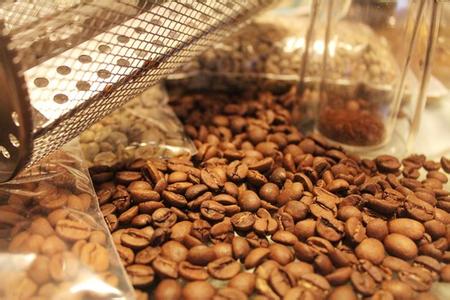
Yemeni Coffee Features and Markets of Yemeni Coffee
Yemen was known as Arabia until the 6th century AD, so coffee trees transported from Yemen to other places were also called Arabic coffee trees. But the origin of these trees is Ethiopia. Yemen was the first country in the world to produce coffee on a large scale as an agricultural crop. Yemeni coffee farmers still produce coffee the same way they did 500 years ago.

Traga Sulawesi Fine Coffee Asian Flavor Blended with Espresso Italian
Only a few government-owned estates still produce high-quality arabica beans, and thanks to these estates we can taste excellent java beans. Common are Cayumas, Brawan and Jampit (or spelled Jampit). These state-owned estates all taste clean, with soft fruit acidity and aroma. Cayumas is slightly stronger, but

A brief introduction to the planting market price of Yemeni boutique coffee beans with unique flavor
Mokamadali (Mokha Mattari): the most famous coffee market name in the province of Bani Mattar (another word for Bany Mattar) from the western part of the Yemeni capital Sanaa. Coffee is produced at high altitude, usually with a good aroma of red wine, dry fruit, thick taste, deep-roasted and often bitter sweet chocolate. The good quality Madali bean is small.

12 things Starbucks baristas are too embarrassed to tell you
People in the service industry may be most afraid of meeting low-quality guests who make things difficult for them. Laura Beck, who has worked at Starbucks for six years, recently shared an article about what shop assistants really think of their customers, which caused a heated discussion at the moment. Although they don't complain to people face to face out of professionalism, they actually think the same way. The following list of 12 Starbucks orders, pay attention to

Yemeni Coffee producing area Manor planting situation how Yemeni Coffee is grown and whether the number of Coffee beans is large
For more information on coffee beans, please follow the coffee workshop (Wechat official account cafe_style) Coffee production in Yemen: bean-shaped berry coffee beans (Peaberrybean): these beans are smaller and rounder than most and look like peas, sometimes called mocha beans. The shape of mocha coffee beans is similar to that of Hara (H.

Coffee in Yemen details the origin of coffee in Yemen
Before the 6th century AD, Yemen was called Arabia, so coffee trees shipped from Yemen to other places were also called Arabian coffee trees. But the origin of these trees is Ethiopia. Yemen is the first country in the world to produce coffee on a large scale as a crop. Today, coffee farmers in Yemen still use the same method to produce coffee as they did 500 years ago.

A brief introduction to the history and culture of the origin and development of spicy Yemeni boutique coffee beans
Mokha Sanani: a widespread market name for coffee from some growing areas west of the Yemeni capital Sanaa. It is a mixture of beans from tens of thousands of small farms on the hillside near the capital Sana (left, Sana'a, Yemen). The elevation of the plant is slightly lower than that of Madali, and generally speaking, it tastes thinner and less acidic than Madali, but it has a good fruit flavor and often has a better ripeness than Madali.

A brief introduction to the planting market price of Yemeni boutique coffee bean varieties with endless aftertaste
Yemeni coffee origin: Yemeni bean-shaped berry coffee beans (Peaberrybean): this coffee bean is smaller and rounder than most coffee beans and looks like peas, sometimes called mocha coffee beans. The shape of mocha coffee beans is similar to that of Ethiopia's Harrar coffee beans.

Mocha coffee Yemeni mocha is good? Does mocha mean mocha pot?
"Mocha Coffee" Yemeni mocha, what exactly is "mocha"? Is the mocha good? Does mocha mean mocha pot? There are many answers to this question. Some people say that mocha is a certain place of origin, and some people remember that mocha is sweet chocolate coffee. In fact, authentic mocha coffee is only produced in the Republic of Yemen in the southwest of the Arabian Peninsula and grows at an altitude of 3,000 to 8.

A brief introduction to the origin, development, history and culture of Yemeni boutique coffee beans with endless aftertaste
Yemeni coffee origin: Yemeni bean-shaped berry coffee beans (Peaberrybean): this coffee bean is smaller and rounder than most coffee beans and looks like peas, sometimes called mocha coffee beans. The shape of mocha coffee beans is similar to that of Ethiopia's Harrar coffee beans.

Yemeni coffee flavor-Shanani Yemeni coffee origin introduces coffee beans suitable for hand brewing
Professional coffee knowledge exchange more coffee bean information please follow Coffee Workshop (Wechat official account cafe_style) Property Characteristics: farm characteristics Farm Farm name: Small producers small producing Group Grade Grade: naturally dried Arabica beans, no regulatory agency, no grading system Region producing area: Sanaani Shanani Country country

Bright berry aroma of Danqi Dream boutique coffee beans varieties planted market price profile
Origin: 90 + Ethiopia SNNP, Sidama [Altitude]: 1750m-2000m [Processing method]: Sunlight [Flavor]: Nectarine, Tropical Fruit, Cream, Cinnamon Nekisse
Unveil the mystery of coffee allusions
Who first thought of roasting the seeds of coffee trees? And why?

Yemen mocha coffee where to drink Yemen mocha coffee recommended which shop
Professional coffee knowledge exchange More coffee bean information Please pay attention to coffee workshop (Weixin Official Accounts cafe_style) Yemen mocha coffee beans Coffee origin introduction: Yemen produces bean-shaped berry coffee beans (Peaberrybean): This coffee bean is smaller and rounder than most coffee beans, looks like peas, and is sometimes called mocha coffee beans. Mocha coffee beans are similar in shape to Ethiopia.

A brief introduction to the description of the flavor and aroma characteristics of the spicy Yemeni boutique coffee beans
Despite the high quality and smooth aroma of Yemeni coffee, there is something unsatisfactory, that is, the quality can not be continuously guaranteed, and the classification of its coffee beans is uncertain. Traditionally, the best coffee beans in Yemen come from Mattari, followed by Sharki, followed by Sanani. These coffee beans are low in caffeine. Deep-baked

A brief introduction to the history and culture of the origin and development of Yemeni boutique coffee beans with unique flavor
Yemeni coffee origin: Yemeni bean-shaped berry coffee beans (Peaberrybean): this coffee bean is smaller and rounder than most coffee beans and looks like peas, sometimes called mocha coffee beans. The shape of mocha coffee beans is similar to that of Ethiopia's Harrar coffee beans.

A brief introduction to the flavor, taste and aroma characteristics of Yemeni boutique coffee beans with unique flavor
In Yemen, coffee growers plant poplars to provide shade for coffee trees to grow. As in the past, these trees are planted on steep terraces to maximize the use of less rainfall and limited land resources. In addition to the Tippika Coffee Tree and the Bourbon Coffee Tree, more than a dozen different coffee species native to Ethiopia are grown in Yemen. Authentic